

Board-on-Board vs Horizontal Fence: Which Fits Your DFW Yard?
Classic cedar board-on-board vs modern horizontal plank fencing — cost, privacy, HOA acceptance, and lifespan compared for Dallas–Fort Worth homeowners.
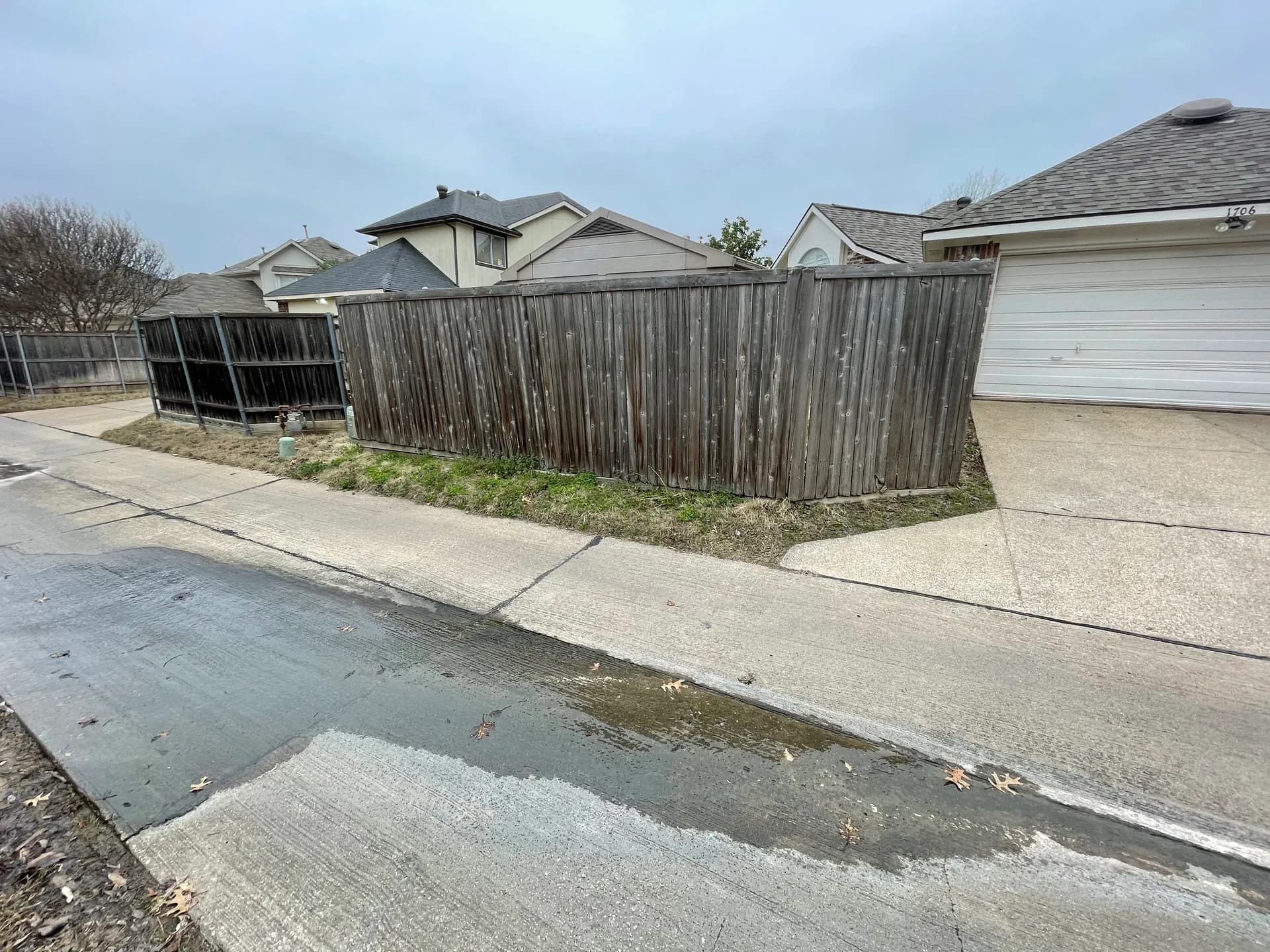
The DFW fence conversation has moved past "which contractor" to "which style." Board-on-board remains the workhorse; horizontal plank has taken over modern builds. Here's how they actually compare.
Board-on-Board Cedar
The default DFW privacy fence. Two layers of cedar pickets, alternating sides of the rails, so gaps are fully closed.
Cost (typical 6-ft install): $38–$55 per linear foot installed
Privacy: 100% — no sight lines from either side
Lifespan: 15–25 years depending on wood grade and stain maintenance
HOA acceptance: Approved in 98% of DFW HOAs by default. No submission hassle.
Look: Traditional, ranch-friendly, blends with 90% of DFW architecture.
Horizontal Plank Cedar
The modern choice. Pickets run horizontal between metal or wrapped-cedar posts, usually with tight 1/8" to 1/4" gaps or flush seams.
Cost (typical 6-ft install): $55–$85 per linear foot — 30–50% premium over board-on-board
Privacy: 90–95% — depends on gap spec. Small gaps read as privacy from 3+ feet, see-through at an angle from closer.
Lifespan: 12–20 years. Slightly shorter because horizontal boards trap more water on their top edge.
HOA acceptance: Increasingly approved, but 20–30% of older DFW HOAs still reject. Plan for architectural submission.
Look: Contemporary, clean-lined. Pairs with modern, transitional, and farmhouse architecture. Feels out of place on traditional colonial or Mediterranean.
Privacy — The Actual Difference
Board-on-board is 100% privacy. Horizontal with even small gaps is ~95%. For most yards this is a non-issue. It becomes a concern if:
- Your neighbor's second story looks directly into your yard (go board-on-board)
- You have a pool and want maximum privacy (go board-on-board, or horizontal with zero-gap flush seams)
- You have dogs that bark at visible motion (board-on-board reduces trigger stimulus)
Durability in DFW
Board-on-board sheds water fast — vertical grain runs with gravity. Horizontal boards collect water at each top edge, which invites checking and cupping over time. A good horizontal install uses:
- Thicker stock (1x6 over 1x4)
- Wider vertical gap (1/4" min) so water drains
- Better stain schedule (every 2–3 years vs 3–4 for board-on-board)
With those specs, horizontal still lasts well — just requires more attention.
Cost Breakdown
For a 200-ft backyard fence at 6 ft tall:
- Board-on-board cedar: $8,000 – $11,000 installed
- Horizontal plank cedar (metal posts): $12,000 – $17,000 installed
- Horizontal plank with steel frame and cap: $18,000 – $26,000
Metal-post horizontal is the sweet spot for most modern DFW homes — it eliminates rot at the ground line (the #1 fence failure mode) without pushing into premium territory.
HOA Reality
Board-on-board: submit paperwork as formality, approved in 2–4 weeks.
Horizontal: pull architectural guidelines first. Some HOAs explicitly require "traditional vertical fencing" — those are non-starters. Others approve horizontal with specific stain colors or post materials. We handle the submission as part of every fence scope.
What We'd Do
If your home reads modern, transitional, or farmhouse — horizontal. The curb value on a well-done horizontal fence exceeds the cost delta at resale.
If your home reads traditional — board-on-board. Horizontal would fight the architecture.
Either way, metal posts (galvanized or black-coated) beat wood posts for the DFW soil-and-moisture combination. Wood posts rot at grade within 8–12 years. We install metal posts on 100% of our fence work unless a client specifically requests otherwise.
Ready to Start?
Free on-site estimate — no pressure.
Typical callback under 24 hours across DFW.